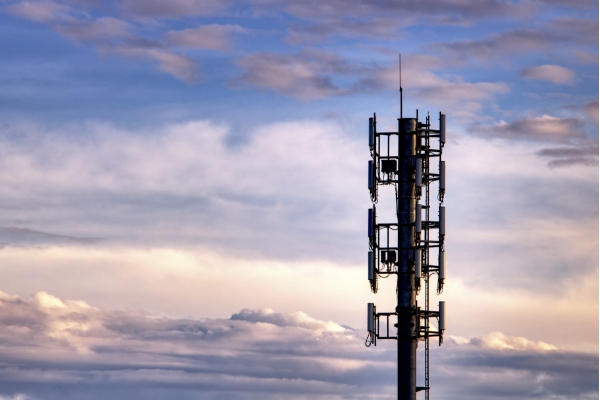
Cell tower leases can be a valuable long-term income source for property owners. However, many landowners eventually receive a cell tower lease rent reduction letter from a tower company or wireless carrier requesting that they accept lower monthly payments.
These requests are extremely common in the telecommunications industry. While they may be presented as routine adjustments or “market corrections,” property owners should carefully evaluate them before agreeing to any changes.
Understanding why these requests happen—and what they could mean for your lease value—is critical before making a decision.
Why Cell Tower Companies Request Rent Reductions
Both tower companies and wireless carriers frequently send rent reduction proposals to property owners. These requests are often framed as an attempt to bring lease payments “in line with current market conditions.”
In many cases, companies claim their internal data shows that your lease payments are higher than similar tower sites in the area. However, this argument can be misleading.
Large telecom companies manage thousands of leases across the country, which gives them access to extensive lease data. But that data does not always reflect the specific value of your individual site, especially if your location plays a critical role in network coverage.
According to the Federal Communications Commission, wireless infrastructure such as towers and antenna sites must be strategically placed to maintain network coverage and service quality. Because of this, location is often more important than comparable lease pricing.
In other words, the value of a tower site is not determined solely by “market averages.” It is heavily influenced by coverage needs, zoning restrictions, and the cost of relocating equipment.
The Reality: Relocating Cell Towers Is Expensive
One of the most important facts property owners should understand is that moving a cell tower is rarely simple or inexpensive.
Relocation can involve:
- Engineering studies and site analysis
- New zoning approvals or permits
- Construction costs for a new tower structure
- Network reconfiguration and equipment installation
Industry estimates suggest building or relocating a tower can cost several hundred thousand dollars to well over a million dollars depending on location and infrastructure needs.
Because wireless networks rely on very specific coverage areas, tower companies generally prefer to keep existing sites active rather than start over somewhere else.
This is one reason rent reduction requests are so common—they are often an attempt to lower operating costs without relocating infrastructure.
Why Property Owners Often Agree to Rent Reductions
Telecom companies are highly experienced negotiators. Their representatives handle lease negotiations every day and are trained to present proposals in a way that sounds reasonable and beneficial.
Common arguments used in rent reduction letters include:
- Claiming rents must align with “current market rates”
- Suggesting the tower could potentially be relocated
- Presenting large datasets of lease prices from other locations
- Offering small incentives for accepting the reduction quickly
- Negative impact from market consolidation
For many property owners, these explanations seem convincing. As a result, some agree to lower payments without fully understanding the financial impact.
However, accepting a rent reduction without reviewing all relevant information can significantly reduce the long-term value of a tower lease.
Why Knowing Who Is on Your Tower Matters
A key step before considering any rent reduction is determining exactly which carriers or tenants are operating on the tower.
Many tower sites host equipment from multiple wireless providers. Each tenant generates revenue for the tower company, which means the total income from the site can be much higher than the property owner’s lease payment.
For example, a tower company may collect significant annual revenue from multiple carriers while asking the landowner to reduce their rent.
This is why experts often recommend reviewing:
- The number of carriers on the tower
- Any additional equipment installations
- Subleasing arrangements
- Lease renewal timelines
Having this information helps property owners better understand the true value of their tower site before making any decisions.
Companies such as JP Tower Consulting often assist landowners by reviewing tower agreements and identifying important details about site usage, tenants, and potential lease value.
How Rent Reductions Affect the Value of Your Lease
One of the most overlooked consequences of accepting a rent reduction is its effect on the overall value of the lease.
Cell tower leases are sometimes sold to investors or telecom infrastructure buyers. The value of these leases is often calculated based on current monthly/annual income.
Even a small reduction in monthly rent can significantly lower that value.
For example:
- A $500 monthly rent reduction equals $6,000 less income per year.
- Over time, this lower income can reduce the overall lease value by $100,000 to $120,000 or more, depending on lease terms and valuation methods.
These losses can take years to recover through rent payments.
Because of this, property owners should evaluate whether accepting a reduction truly benefits them in the long run.
Why Accepting One Reduction Can Lead to More Requests
Another factor many property owners overlook is that agreeing to a rent reduction can create a pattern.
Once a company successfully negotiates a lower rent, it may attempt to renegotiate again in the future. Some landowners receive multiple reduction requests throughout the life of their lease.
Maintaining the original lease terms can help preserve both monthly income and long-term lease value.
When Selling Your Lease Might Be Worth Considering
In some situations, property owners explore selling their tower lease instead of accepting reduced payments.
A lease buyout provides a lump-sum payment based on the current income of the tower site. While this option may not be suitable for everyone, it can sometimes provide more financial certainty than reduced monthly rent.
Before considering either option, it is wise to review the details carefully and understand how any decision could affect long-term income.
Consulting professionals who specialize in telecom lease analysis—JP Tower Consulting—can help property owners evaluate potential offers and understand their site’s value.
Steps Property Owners Should Take Before Accepting a Rent Reduction
If you receive a rent reduction request, consider taking the following steps before responding:
- Review your original lease agreement carefully.
- Determine which carriers are currently on the tower.
- Evaluate whether the site is nearing lease expiration or renewal.
- Assess the long-term financial impact of the reduction.
- Consult an experienced professional for an independent review.
Taking time to analyze the proposal can help ensure you make an informed decision rather than reacting to pressure from telecom companies.
Get Professional Guidance Before Making a Decision
Cell tower lease agreements are complex, and rent reduction requests can have long-lasting financial consequences.
If you receive a reduction proposal from a tower company or carrier, it may be beneficial to have your site reviewed by an experienced professional.
JP Tower Consulting works with property owners to evaluate tower leases, review communications from telecom companies, and help landowners understand the true value of their sites.
Before accepting any rent reduction, consider seeking expert guidance to ensure you have complete information and a clear understanding of your options.
Contact JP Tower Consulting today to have your tower lease reviewed and make informed decisions about your property’s long-term value.