Key Takeaways
- New tower offers near existing towers are becoming more common
- Developers often try to relocate tenants from older high-rent towers
- Rural areas are prime targets due to flexible zoning and available land
- Lease rates vary significantly based on negotiation and leverage
- Understanding alternatives nearby is critical before accepting an offer
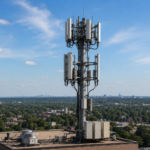
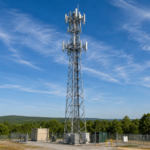
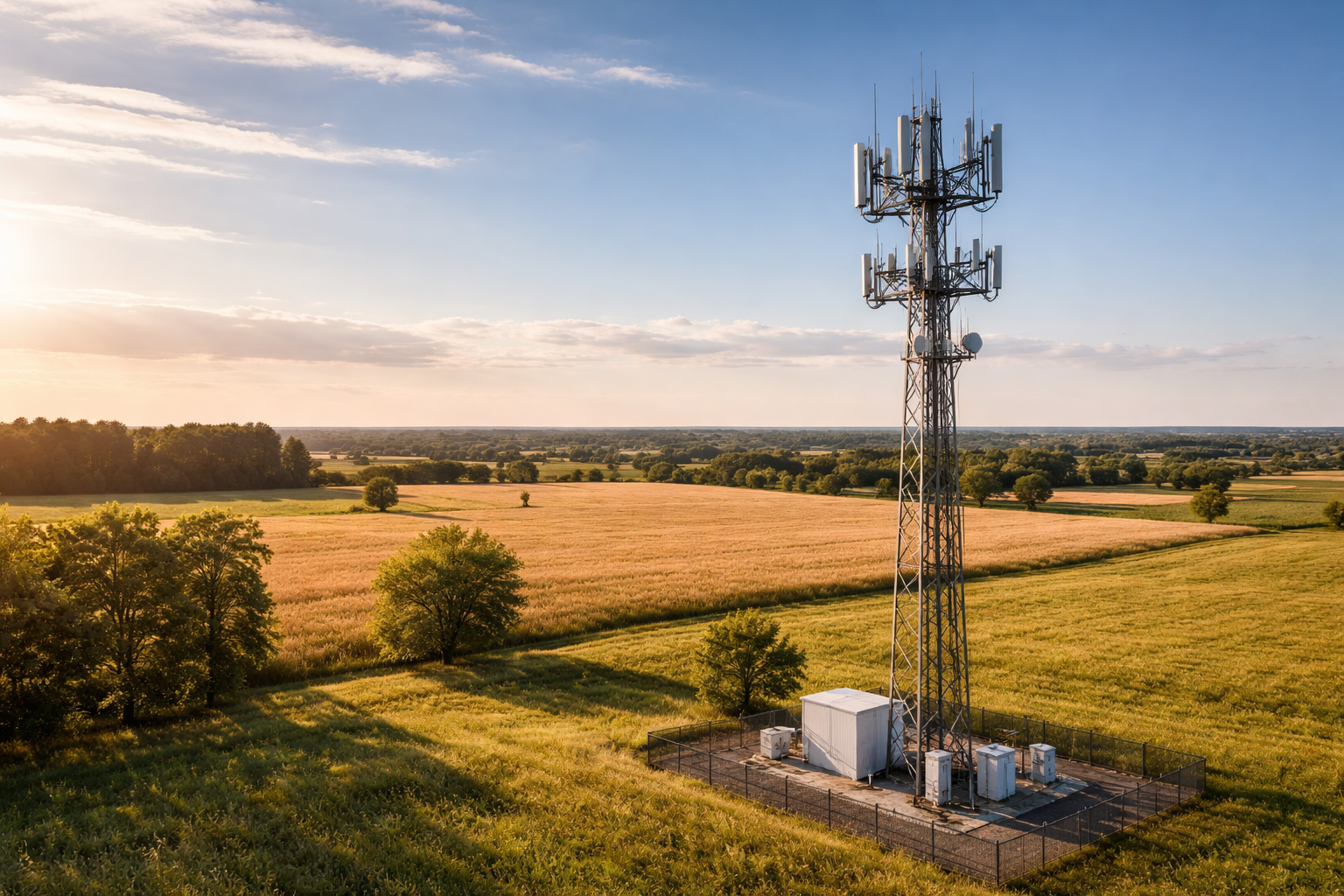
Many property owners are receiving cell tower lease offers even when another tower already exists nearby. This trend is increasing as carriers and developers attempt to reduce costs by relocating tenants from older, expensive tower sites. Towers built in the 1990s or early 2000s often generate monthly rents exceeding $5,000, making them attractive targets for relocation.
Developers may propose building a new tower close enough to attract those tenants at lower lease rates. While the opportunity may seem promising, landowners must understand that these offers are highly strategic and often come with negotiation leverage. Guidance from JP Tower Consulting can help landowners determine whether the offer reflects true market value.
Why Developers Build Towers Near Existing Ones
Relocation strategies are becoming more common, particularly in rural markets. Developers identify older towers with high lease payments and attempt to construct new sites nearby at lower costs. This approach allows carriers to:
- Reduce monthly operating expenses
- Avoid long-term high-rent leases
- Improve coverage with updated infrastructure
- Gain better lease terms
Because of these financial incentives, developers seek properties as close as possible to the existing tower while still meeting coverage requirements.
Why Rural Properties Are Targeted
Rural locations provide more flexibility for developers. Compared to urban areas, they often have fewer zoning restrictions and larger parcels of land. Furthermore, developers often utilize a database for new tower builds to identify multiple properties that may qualify, which reduces exclusivity for any single landowner. In densely populated areas, building a competing tower is more difficult due to regulatory limitations and community opposition.
Understanding Your Leverage
When approached with a tower offer near an existing site, it is important to recognize that your property may not be the only option. A site acquisition specialist might describe your land as ideal, but developers typically evaluate multiple nearby locations. Key factors that influence leverage include:
- Distance from the existing tower
- Elevation and topography
- Access availability
- Utility connections
- Zoning compatibility
Evaluating these factors helps determine whether the developer truly needs your property or has alternatives. Consulting professionals can help analyze competing sites and strengthen your new tower negotiation strategy.
Lease Rates Can Vary Dramatically
One of the most surprising aspects of these offers is the wide range of lease payments. Property owners have reported offers as low as $250 per month, while others have negotiated $800 or more for similar locations.
This variation occurs because developers test market expectations and landowners often lack comparable data. Without a professional lease evaluation, many landowners accept initial offers that fall below market potential.
Questions Property Owners Should Ask
Before agreeing to a lease, gathering information is essential. Consider asking:
- How many properties are being evaluated?
- How close must the tower be to the existing site?
- Which carriers are expected to use the tower?
- What is the expected construction timeline?
- Is there an alternative location already identified?
These questions help reveal how much leverage you truly have.
Negotiation Opportunities
Even when alternatives exist, landowners can still negotiate favorable terms. Consider negotiating higher base rent, annual rent escalations, or construction commencement deadlines. These elements can significantly increase long-term lease value through specialized telecom consulting services.
Common Mistakes Property Owners Make
- Accepting the first offer without negotiation
- Assuming their land is the only option
- Overlooking escalation clauses
- Ignoring co-location revenue potential
- Signing without professional review
Avoiding these mistakes can significantly improve long-term earnings.
When to Seek Expert Guidance
If a tower offer appears near an existing site, professional evaluation can help determine the true market rent range, developer alternatives, and long-term revenue potential. Working with JP Tower Consulting can help property owners avoid undervaluing their property; contact our team to secure stronger lease terms.
FAQs
Why would a developer build a tower near an existing one?
To relocate tenants from older high-rent towers and reduce operating costs.
Does having a tower nearby reduce my negotiating power?
Not necessarily. It depends on how many alternative properties meet technical requirements.
What is a typical lease rate for a new rural tower?
Rates vary widely but can range from a few hundred dollars to higher amounts depending on leverage and demand.
Should I accept the first offer from a developer?
No. Initial offers are often conservative and designed to leave room for negotiation.
Can multiple tenants increase my income?
Yes. Additional carriers on the tower can create opportunities for revenue sharing.
Conclusion
Receiving a cell tower offer when another tower already exists nearby can present both opportunity and risk. Developers often pursue these projects to relocate tenants from older, high-cost sites, which means negotiation leverage exists but competition may also be present. Lease rates vary widely, and accepting an initial offer without understanding alternatives can result in lost income.
By asking the right questions, evaluating competing sites, and negotiating carefully, property owners can improve their outcomes. When uncertainty exists, seeking informed guidance helps ensure the lease reflects fair market value and long-term potential.