Key Takeaways
- Relocation Reality: Moving a multi-carrier tower is cost-prohibitive (often exceeding $500,000), making it a rare event.
- The “Scare Tactic”: Tower companies frequently use relocation threats as leverage to lower rent or secure favorable lease extensions.
- Rural Risk: Single-tenant towers in rural areas face the highest relocation risk due to lower complexity and lower move costs.
- Expert Guidance: Engaging a firm like JP Tower Consulting ensures you distinguish between empty threats and legitimate network migration risks.
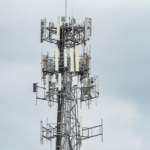
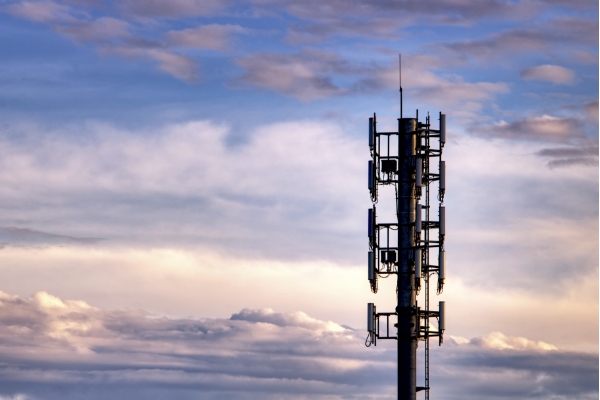
Cell tower relocation refers to moving wireless infrastructure from one parcel of land to another. While technically feasible, it’s a complex, expensive, and highly regulated process involving zoning approvals, engineering studies, construction, and precise network handoff coordination.
In many cases, however, the threat of relocation is used as a negotiation tactic—particularly by rent optimization firms—to pressure property owners into accepting lower lease payments.
For towers hosting major carriers like AT&T, Verizon, and T-Mobile, the operational disruption and financial burden of relocating often far outweigh any potential rent savings. Understanding your tower’s value, tenant structure, and local market dynamics is the first step toward negotiating from a position of strength.
1. Why Tower Companies Threaten to Relocate
Tower companies are businesses focused on yield. When a lease nears expiration, they may suggest they are looking at “alternative sites” nearby.
- Leverage in Negotiations: Using the fear of a total income loss to force a rent reduction.
- The Role of Rent Optimization Vendors: These third-party firms are hired specifically to decrease the tower company’s overhead at your expense.
2. The High Cost of Moving: Why Multi-Carrier Sites Stay Put
Relocating a “co-located” tower (one with multiple tenants) is a logistical nightmare.
- Cost Barrier: Expenses often exceed $500,000 when considering decommissioning, new site acquisition, and construction.
- Network Gaps: Carriers hate “dead zones.” The FCC has strict guidelines regarding service continuity, and moving a site risks dropping calls for thousands of users during the transition.
- JP Tower Consulting Insight: If your tower has three or more carriers, the likelihood of relocation is statistically near zero.
3. Identifying High-Risk Sites: When is Relocation Actually Possible?
Not all threats are empty. You are at a higher risk if your site meets these criteria:
- Single-Tenant Sites: Only one carrier (e.g., just T-Mobile) makes the move cheaper and faster.
- Rural Areas: Lower zoning hurdles and cheaper land nearby make “jumping” to a neighboring field easier.
- Early Termination Clauses: Check your lease for “Right of Termination” language that allows carriers to leave with minimal notice.
4. How to Handle a Relocation Threat from a Tower Company
When you receive a letter suggesting your site is being “reviewed for relocation,” don’t panic.
- Audit Your Tenants: Identify exactly who is on the tower.
- Review Your Lease Expiration: How much time is really left on the clock?
- Consult a Professional: A seasoned expert from JP Tower Consulting can analyze the local topography to see if a viable “alternative site” even exists.
5. Why Professional Representation Matters
In negotiations, being overly aggressive can backfire—but being uninformed can cost you far more.
An experienced consultant understands:
- Carrier network dependency
- Local topography and signal propagation
- Market rent benchmarks
- Financial breakpoints for relocation feasibility
A knowledgeable advisor ensures you secure fair market value without pushing negotiations to a point where relocation becomes financially attractive.
Strategic Next Steps for Property Owners
Cell tower relocation is often presented as a simple alternative—but in reality, it’s a high-cost, high-risk operational move. While the industry frequently uses relocation threats to justify rent reductions, actual relocations—particularly for multi-carrier sites—are rare.
By understanding your tower’s tenant mix, market dynamics, and lease structure, you position yourself to negotiate confidently and protect your long-term income.
Partnering with an experienced cell tower consultant like JP Tower Consulting gives you access to the data, engineering insight, and negotiation strategy necessary to safeguard your financial future.
Frequently Asked Questions (FAQs)
Q1: How much does it really cost to move a cell tower?
For a standard macro site with multiple carriers, costs range from $500,000 to $1.5M, including new site acquisition, permitting, and hardware migration.
Q2: Can a tower company terminate my lease early?
Most modern leases include an Early Termination Clause that allows the company to cancel with 30-90 days’ notice, though they rarely do so unless the site is no longer technically viable.
Q3: Is my rural cell tower more likely to be moved?
Yes. Rural sites that are single-tenant face fewer zoning restrictions, making it much easier for a company to find a cheaper spot “next door” than in a dense urban environment.
Q4: Who are “Rent Optimization” companies?
These are third-party vendors (like MD7 or Black Dot) hired by tower companies to contact landlords and negotiate lower monthly rent payments under the threat of relocation or decommissioning.
Q5: Should I hire a lawyer or a consultant for a relocation threat?
While lawyers understand the contract, a consultant from JP Tower Consulting understands the network economics. We know if the tower can move, not just if the contract allows it.