Key Takeaways
- Review your original lease before discussing any renewal offer.
- Verify your lease expiration date and don’t rely solely on the tower company’s timeline.
- Confirm how many wireless carriers are operating on the tower.
- Your negotiating leverage generally increases as the lease gets closer to expiration.
- If selling your lease is your goal, waiting may increase its value.
- Working with an experienced cell tower lease consultant before signing anything changes how the other side negotiates with you.
When a Cell Tower Company Calls About Renewing Your Lease, What Should You Do First?
Before responding to a cell tower lease renewal offer, review your original lease, verify the expiration date, and confirm how many carriers are using the tower. These three steps will help you understand your negotiating position and determine whether accepting the offer now—or waiting—could produce a better financial outcome.
If you’ve owned property with a cell tower for 15, 20, or even 30 years, a renewal call from the tower company may seem like routine business. It isn’t.
A lease renewal is often your best opportunity to improve rental income, strengthen lease terms, or increase the future value of your lease. Unfortunately, many property owners begin negotiating before they fully understand what they already own.
At JP Tower Consulting, we have negotiated and reviewed cell tower leases throughout the United States for more than two decades. One lesson has remained consistent throughout that time:
Preparation almost always creates better negotiating results.
Before discussing rent, signing an amendment, or agreeing to an extension, here are the first steps every property owner should take.
Step 1: Read Your Original Lease Before You Talk Numbers
Don’t rely on memory, and don’t rely on the tower company’s summary of what the lease says. Pull the original agreement and every amendment signed since the tower went up, and review:
- The original lease term and current expiration date
- Renewal options and escalation schedule
- Assignment and co-location provisions
- Easement and access rights
- Any changes made by later amendments
Many leases were signed decades ago, so it’s common to forget provisions that directly affect today’s negotiation. A common mistake is letting the tower company explain the lease instead of reviewing it directly.
Step 2: Confirm Who’s Actually on the Tower
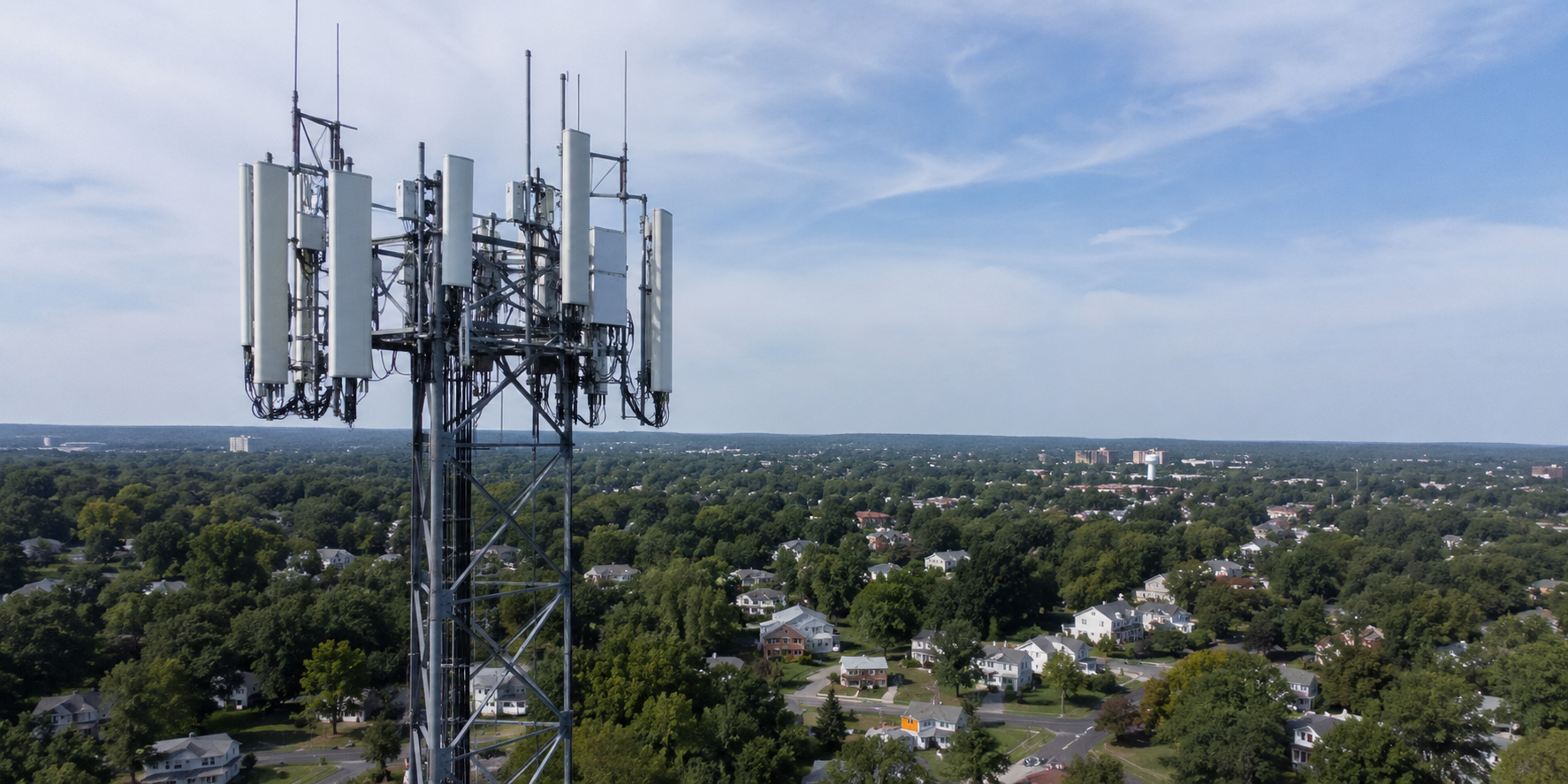
Many owners assume the tower still serves only the carrier that originally installed it. That’s often no longer true. Over the years, additional carriers — Verizon, AT&T, T-Mobile, Dish Wireless, and others — may have added equipment through co-location agreements.
This matters because a multi-carrier tower is generally more valuable and harder to walk away from than a single-tenant site. Even a single-tenant lease approaching expiration can still carry meaningful leverage, so it’s worth understanding where your site actually stands before assuming it isn’t.
Step 3: Verify Your Actual Lease Expiration Date
The tower company will usually propose a timeline for the renewal. That proposal is a starting point, not a fact. Compare it against:
- The original expiration date
- Automatic renewal periods
- Amendments and extension agreements
- Any recorded memorandum of lease
Getting this wrong is one of the easiest ways to give away leverage without realizing it.
Why Timing Beats Speed in a Lease Renewal
Most property owners assume the first offer represents the best available terms. In practice, it’s usually the opposite. The further your lease is from expiration, the less pressure the tower company feels — they know they already control the site for years to come. So early offers tend to be modest.
As expiration approaches, that dynamic shifts. Relocating a tower site isn’t as simple as moving equipment down the street — it can require new zoning approvals, engineering studies, environmental review, construction, and network testing, all while risking a coverage gap. That operational risk is what moves negotiating power back to the property owner.
If a tower company or carrier isn’t negotiating in good faith, waiting is often the stronger position — which is one reason renewal negotiations are typically most productive within about five years of expiration, rather than decades ahead of it. If you’ve already waited 20 years for this negotiation, a few more years to secure better terms is rarely the wrong call.
If the offer on the table already feels low, it’s also worth understanding how rent reduction requests typically work, since similar pressure tactics show up in both situations.
Should You Renew Now or Wait?
There’s no universal answer — it depends on the property owner’s goals:
- If the income isn’t needed right now: waiting as the lease approaches expiration typically strengthens both leverage and terms.
- If stable income matters more than maximizing value: negotiating earlier can still make sense, but expect a more modest increase.
- If a lease sale is being considered: the renewal decision and the sale decision affect each other, so they’re worth evaluating together rather than separately.
Multi-Carrier Towers Change the Math
If several carriers operate from the same structure, the tower company isn’t managing one tenant — it’s coordinating multiple national wireless networks on the same site. Relocating all of them is expensive and complicated, which generally hands the property owner more leverage than a single-tenant site would carry. That doesn’t guarantee a bigger number, but it changes the entire negotiation dynamic.
Why Representation Changes the Offer You Get
Tower companies and carriers are less likely to lead with an aggressive offer when they know an experienced negotiator is involved. In practice, offers often improve meaningfully once representation enters the conversation, simply because the credibility and the pushback behind it are real.
Common Mistakes Property Owners Make at Renewal
- Accepting the first offer without negotiating
- Letting the tower company explain the lease instead of reading it directly
- Forgetting about amendments signed years earlier
- Not confirming how many carriers are actually on the tower
- Negotiating too early, before timing works in their favor
- Focusing only on monthly rent while overlooking the rest of the contract
Working With JP Tower Consulting
A lease renewal is a long-term financial decision, not a routine contract update. At JP Tower Consulting, we help property owners read their lease correctly, confirm who’s on the tower, evaluate the true expiration timeline, and decide whether renewing now, waiting, or exploring a lease buyout makes the most sense for their situation.
If you’ve received a renewal call and aren’t sure where you stand, reach out for a conversation before signing anything.
FAQs
Should I accept the first cell tower lease renewal offer?
Generally, no. The first offer is typically a starting point, not the best available terms. Review your lease and understand your leverage before responding.
How early do tower companies usually reach out about renewals?
Often years ahead of expiration — that timing benefits them, not the property owner, since it lets them lock in control of the site at a lower cost.
Does having multiple carriers on my tower increase its value?
Generally yes. Multi-carrier towers are harder and more expensive to relocate, which tends to strengthen the property owner’s negotiating position.
Should I wait until my lease is almost expired to negotiate?
In many cases, yes — leverage typically builds as expiration approaches. But every lease and every owner’s goals are different, so it’s worth evaluating individually.
Can JP Tower Consulting review my lease before I renew?
Yes. We review the lease, evaluate the offer on the table, and help determine the right next step. Contact us to get started.